


SLV
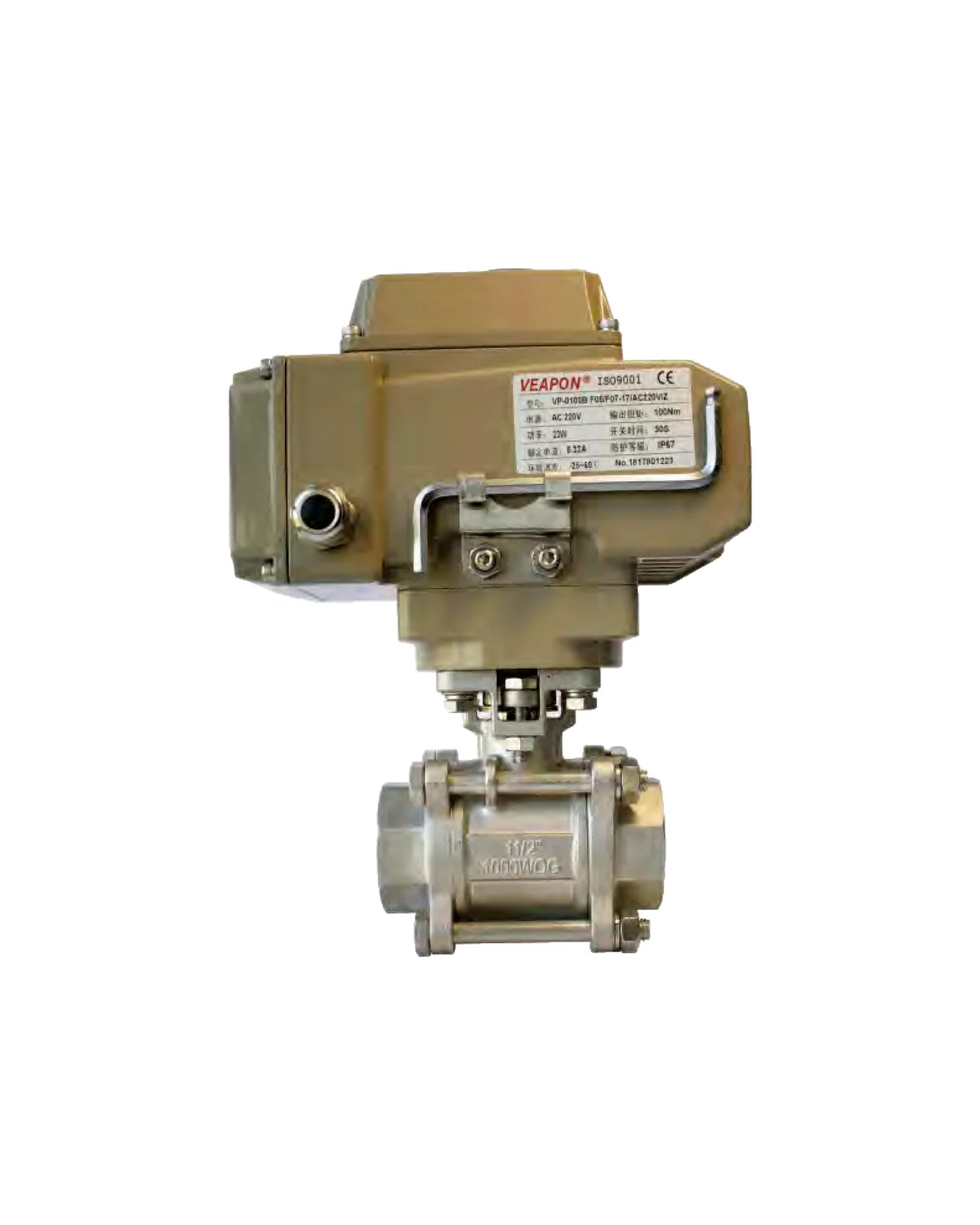
Electric 3-Piece Ball Valve
The SLV Electric 3-Piece Ball Valve pairs a rugged three-piece ball valve with an electric actuator, delivering automated on/off or modulating control in a single package. Because the body is built for in-line servicing, it suits demanding process duties where both automation and easy maintenance matter.
Product Benefits
- In-line serviceability: The three-piece body can be opened up while the centre section stays aligned in the pipeline, so seats and seals are renewed without cutting the valve out of the line.
- Shorter shutdowns: Maintenance stays quick and downtime short compared with welded or one-piece designs.
- No air supply needed: Electric actuation removes the need for a compressed-air supply and lets the valve be driven straight from the control system.
- On/off or modulating: Actuators are available for simple open/close duty or for regulating control using standard industrial signals.
- Position feedback: Feedback contacts keep the control room informed of the valve position at all times.
Where It's Used
- Automated process lines: The valve is a natural fit for automated process and utility lines where quarter-turn isolation or flow adjustment must happen remotely, on a schedule, or as part of an interlock.
- Skids and treatment plants: Typical homes include pump and skid packages, treatment systems, and general process piping.
- Electric automation plants: It suits plants that run on electric rather than pneumatic automation.
- Wide connection choice: Threaded, flanged and welded end styles let the same valve family slot into very different piping practices, from compact instrument lines up to larger process headers.
Good to Know
- Body material options: Bodies and balls come in several stainless steel grades as well as carbon steel and duplex stainless.
- Seat materials: Seats range from PTFE-based materials to elastomers such as NBR and VITON.
- Match to the medium: Matching the body and seat to the medium and its temperature is the key selection step.
- Actuator range: The actuator line covers both on-off and regulating versions across a range of supply voltages, all working through the standard quarter-turn rotation.
- Decide control type early: When specifying, settle early on whether you need simple open/close or true modulating control with an analogue command signal, as this determines the actuator model.